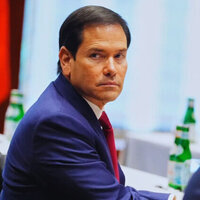


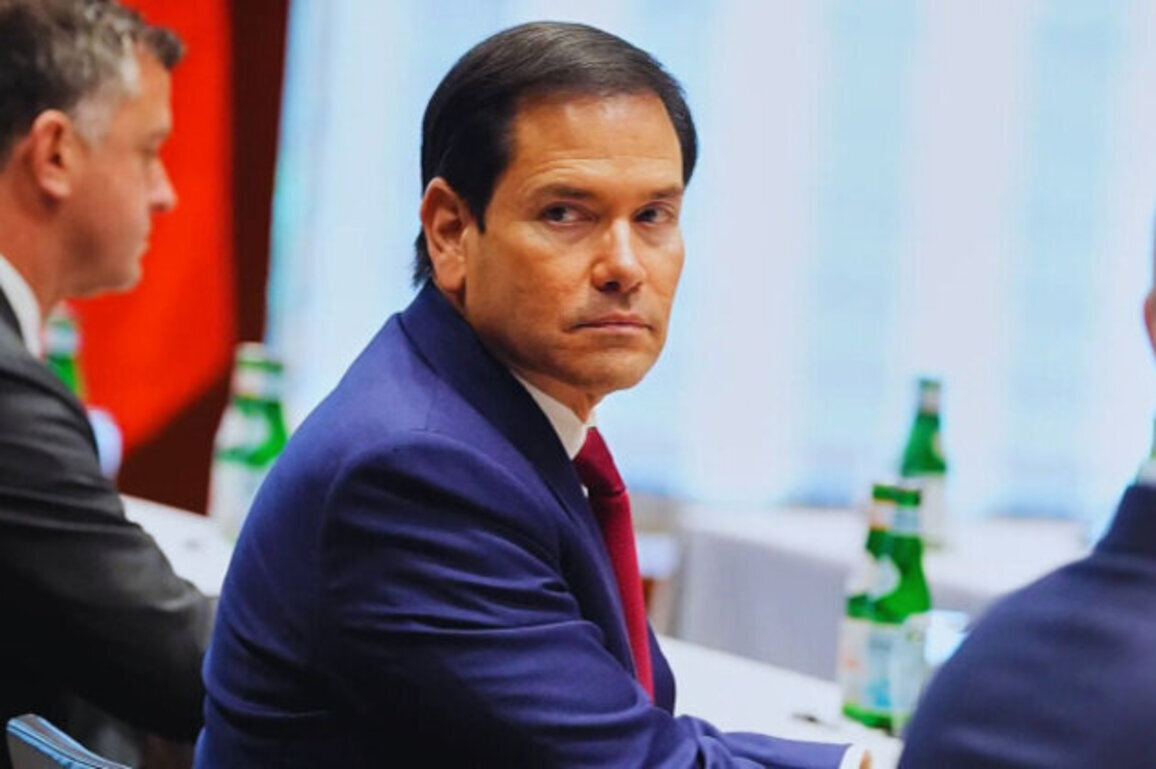
U.S. Secretary of State Marco Rubio has said Washington may be forced to reassess the value of NATO once the war with Iran is over, warning that strained cooperation with European allies is putting pressure on the transatlantic alliance.
In comments to Fox News, Rubio said the United States would need to ?reexamine the value of NATO? if the arrangement continues to function in a way where America is expected to defend Europe militarily while being denied operational support, such as access to bases and airspace. He described such a model as unsustainable for long-term engagement.
Rubio argued that NATO risks becoming an uneven partnership, saying that if allies refuse U.S. requests for logistical and military support, it raises questions about the purpose of the alliance. He added that while he has historically been a strong supporter of NATO, current developments are prompting renewed scrutiny of its structure and obligations.
His remarks come amid growing friction between Washington and several European governments over the Iran conflict. A number of allies have declined or restricted U.S. requests related to the operation, including access to military infrastructure and airspace.
Spain has been identified as one of the main points of tension after refusing to allow U.S. military aircraft linked to the Iran campaign to use its airspace or bases. Italy has also reportedly rejected similar requests, including the use of its Sigonella base in Sicily for aircraft movements connected to the operation.
Poland has stated it does not plan to redeploy its Patriot air defense systems to the Middle East, emphasizing its own national security priorities. France, Germany, Italy and the United Kingdom have also been cautious, limiting involvement largely to defensive measures and resisting more direct operational support in the Gulf region.
The dispute has escalated politically, with U.S. President Donald Trump criticizing European allies for their stance and warning that Washington would remember their decisions. He also said responsibility for securing key energy routes, including the Strait of Hormuz, should fall on Europe rather than the United States.
Trump has separately accused some European governments of obstructing U.S. operations by restricting airspace for military logistics linked to Israel and the wider conflict, further intensifying transatlantic tensions.
Against this backdrop, Rubio reiterated that the post-conflict period would require a serious reassessment of NATO's value to the United States, particularly if allies continue to limit access to essential military infrastructure during joint or U.S.-led operations.